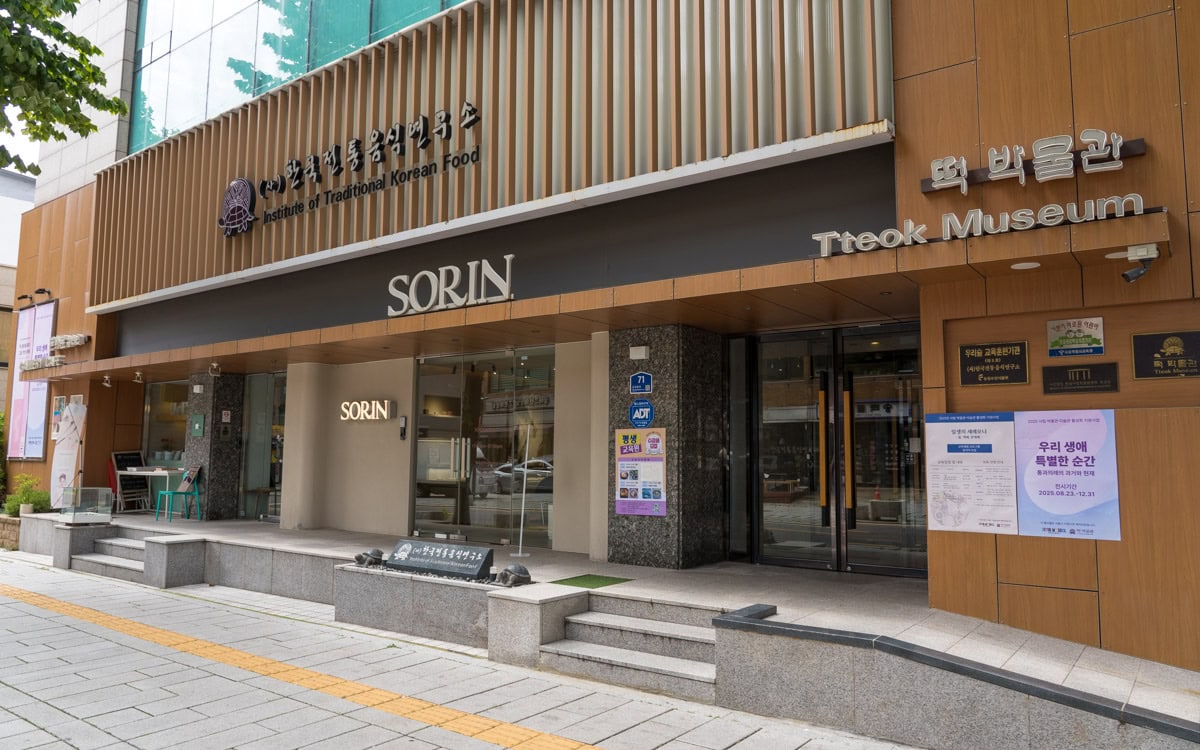
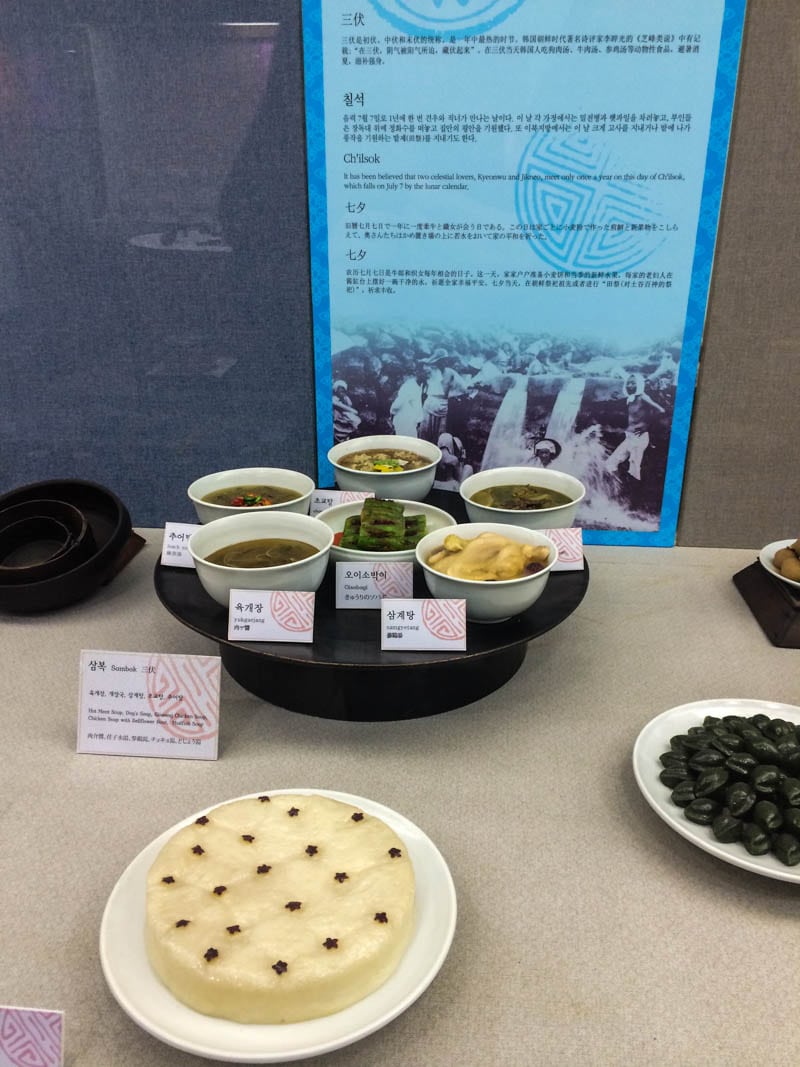
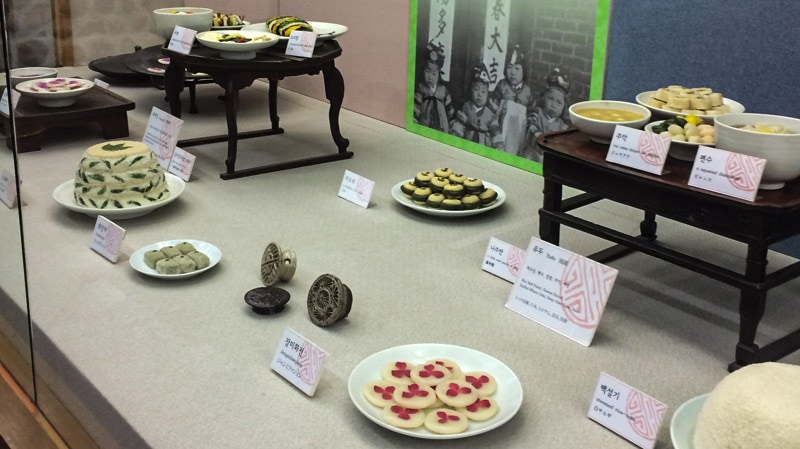
The Tteok Museum features displays of 50 different types of tteok, or rice cakes, and utensils used to make the dish enjoyed by generations of Koreans. The museum, located in Jongno-gu just east of Insadong, first opened in December, 2002.
Tteok Museum Information
- Name: Tteok Museum (Korean: 떡박물관)
- Location: Jongno-gu, Seoul, just east of Insa-dong
- Address: 71 Donhwamun-ro, Jongno-gu, Seoul
- Nearest Station: Jongno 3-ga Station, Exit 7, Subway Lines 1, 3, and 5
- Hours: Monday to Saturday, 10:00 AM to 6:00 PM, last admission at 5:30 PM; closed Sundays, Seollal, and Chuseok
- Admission: Adults 3,000 won; children 2,000 won
Tteok is made using rice flour or glutinous rice flour and can be prepared in several ways, including steaming, pounding, frying, and boiling.
Steamed tteok is made by soaking rice in water, grinding it into flour, and placing the flour in an earthenware steamer called a siru, where it is steamed. Pounded tteok is made by pounding the rice flour in a mortar or flat wooden board.
Fried tteok is made by frying the rice flour in a hot pan with oil. Boiled tteok is made by simply dropping the rice flour in boiling water.
Consumption of tteok can be traced back to the Bronze Age around 850 B.C. During the Three Kingdoms period, the dish developed more and spread throughout the Korean peninsula. During the Goryeo (Koryo) period (918–1392), tteok became popular with not just the wealthy and aristocrats, but also with commoners. The dish became part of daily life including weddings, funerals, and other gatherings and ceremonies during the Joseon dynasty such as Chilseok (Traditional Festival) and Seollal (Lunar New Year).
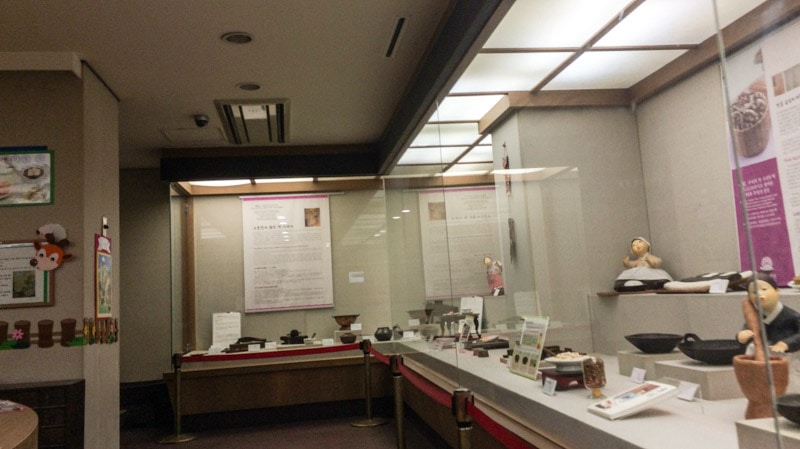
Also on display are common household kitchen utensils that were used by the working class to make tteok and other foods. Many of the utensils found here are old, while others date back only about 30 years. These items may not have attracted much attention until recently, but today they evoke a sense of cultural nostalgia.
If you are hungry and want to try some tteok or enjoy a cup of tea, stop by the cafe on the first floor.
Experience Programs and Classes
Visitors can join hands-on experience programs at the museum. Programs may include rice cake making, kimchi making, and traditional Korean food experiences, depending on the schedule and group type.
Individual experience: 15,000 won per participant. Includes museum admission for the participant.
Group / foreign visitor programs: from 60,000 won per person, depending on the menu.
Traditional food programs: from 80,000 won per person.
Reservation: Advance reservation is required, and prices may vary by program.
Tteok Museum Information
Hours
Monday-Saturday: 10:00 AM - 6:00 PM
Closed Sundays, Seollal (Lunar New Year), and Chuseok.
Admission
Adults: 3,000 won
Children / Students: 2,000 won
Experience Programs / Classes
Individual experience: 15,000 won per participant
Group / foreign visitor programs: from 60,000 won, depending on menu
Traditional food programs: from 80,000 won
Advance reservation required; prices may vary by program.
How to Get Here
Take Subway Line 1 or Line 3 or Line 5 to Jongno 3(sam)-ga Station (Exit 6).
Make a U turn at the exit and turn right at the first street.
Continue for 270 meters to reach the museum on the left.
Map
Official Website
Additional Resources
Klook
Klook offers discounted tickets and reservations for attractions and services in Seoul, from theme parks and museums to tours and transportation.
Viator by TripAdvisor
Book tours, activities, and unique experiences in Seoul, from sightseeing to cultural events and outdoor adventures, offered by local providers.
Rakuten
Save with cashback on hotels and travel services. Sign up and you could earn $30 cashback on your first purchase over $30.
Book Recommendations
Prefer a physical guide? Fodor’s Seoul offers detailed recommendations, maps, and travel tips for the city.
Nearby Sights
Unhyeongung Palace
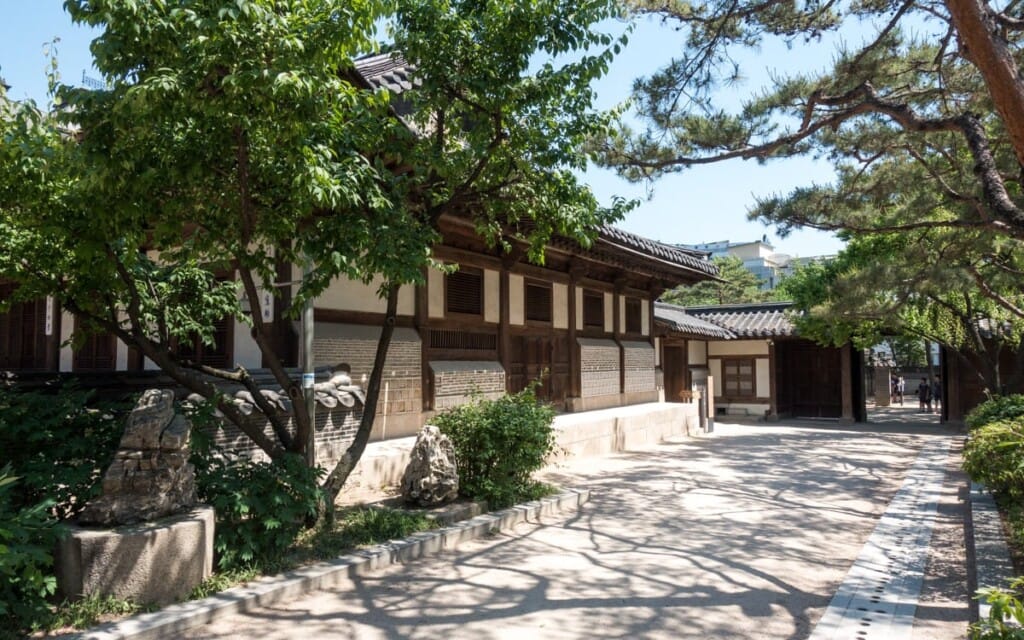
Unhyeongung Palace, also known as Unhyeongung Royal Residence, is a small palace located in the center of Seoul. Gojong, the 26th king and emperor of Korea, was born at Unhyeongung Palace on September 8, 1852. He lived here until age…
Changdeokgung Palace
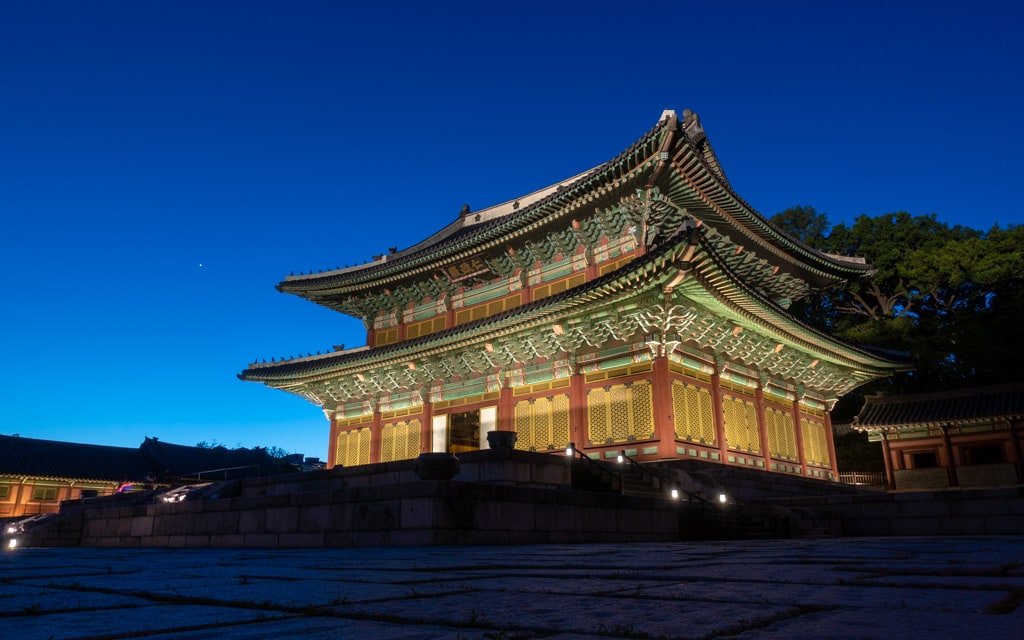
Changdeokgung Palace is a grand royal residence located east of Gyeongbokgung Palace. It is the best-preserved of the remaining Joseon palaces. The palace is the second oldest in Seoul after Gyeongbokgung and was used as a secondary palace when first…
Cheondogyo Central Temple
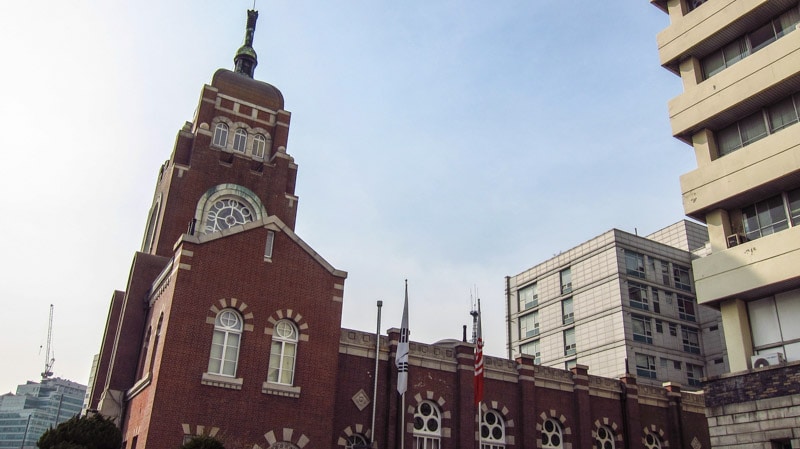
When Cheondogyo Central Temple was built between 1918 and 1921 it was used as a temple of Cheondoism, a 20th century Korean religious movement. Cheondogyo literally means "religion of the Heavenly Way." The roots of Cheondoism are based on the…
Tapgol Park
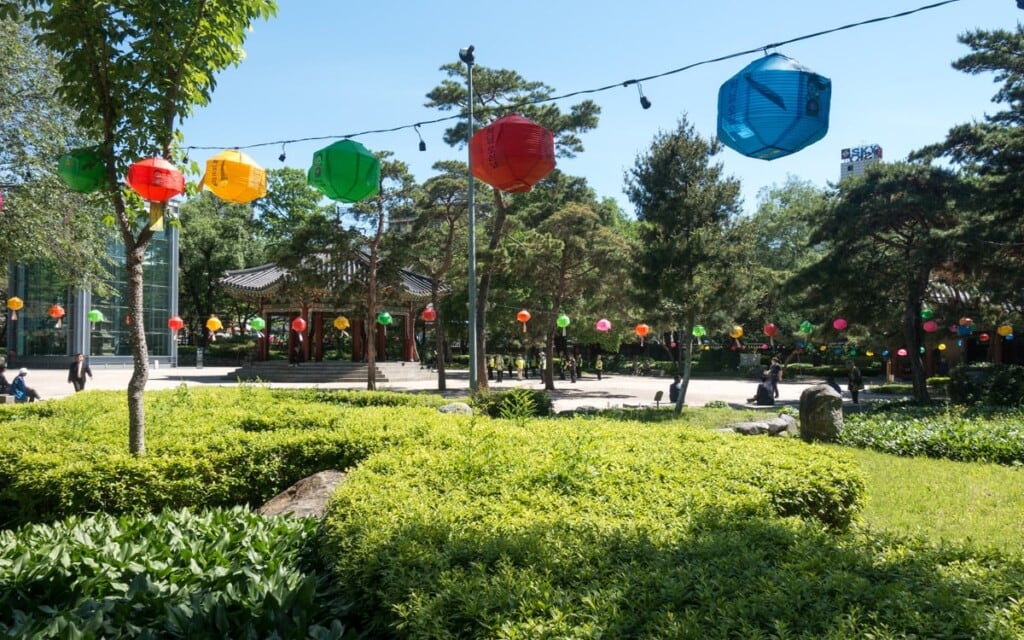
Tapgol Park is a public park that lies at the center of Seoul, near Insa-dong. It was here in 1919 where the March 1st Korean Independence Movement began. This movement called for the independence of Korea from Japanese rule. The…
Jongmyo Shrine
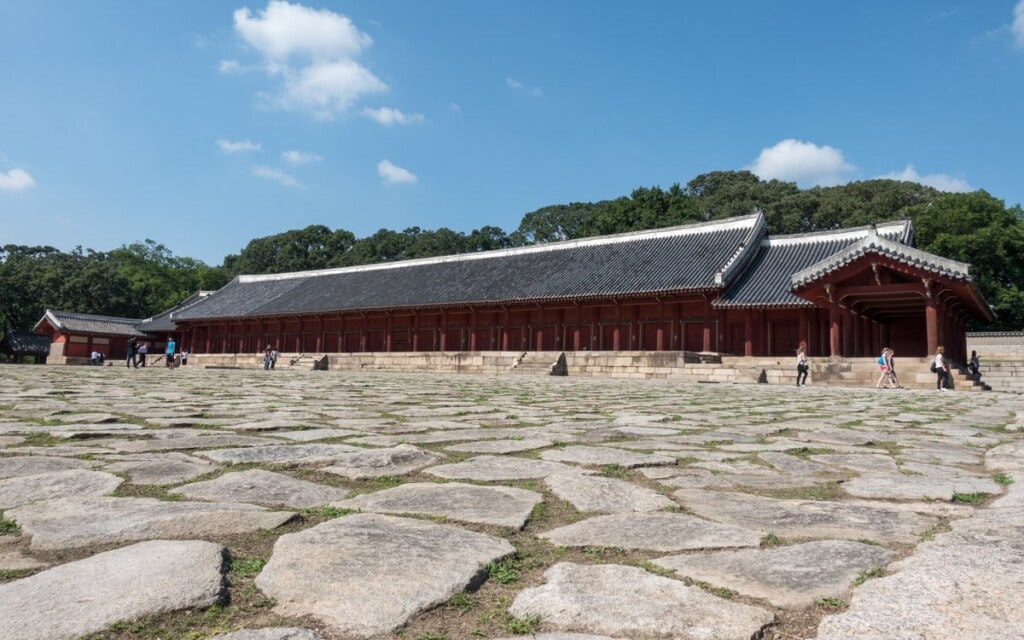
Jongmyo Shrine is the supreme shrine of the state. The site enshrines royal ancestor tablets and hosts memorial services for the kings and queens of the Joseon Dynasty. King Taejo ordered the construction of the Confucian-style shrine, completed in 1395.…

Last Updated on May 2, 2026